
North Huntingdon Township Previous Residents Sources
A backward address search is strongest when its source changes with the era. The county's current property duplicate is a starting point, not a complete record of who lived there. The Recorder links a parcel to recorded transactions. Libraries and the census add a household layer, while estate records can explain a transfer or death. The table separates the documented access routes and their limits so that a name in a record is not presented as a continuous residency history.
| Source | Years it covers | Where held | What it shows |
|---|---|---|---|
| Current tax duplicate | Current, refreshed late January and late June | County Real Property Search | Parcel, owner, location, deed reference; not a household roster |
| Online deed index | 1850-present | Westmoreland Recorder DTS | Recorded transfer leads and party roles |
| Deed books | 1773-1897 in the State Archives guide | PHMC and Recorder route | Earlier conveyances and book-page research |
| Estates | 1986-present online; 1773-present historical holdings | Register of Wills | Estate timing and representative or heir leads |
| Norwin newspapers | Over 100 years, no exact annual run published | Norwin Public Library | Dated local notices and obituary leads |
| Yearbooks and census | Yearbooks 1920-present; census 1790-1950 public | Norwin Library and federal research channels | School and household context, not address proof alone |
| Permit reports | Recent reports verified; archive range not published | Township packets, Archive Center, or RTKL | Project date and address context, not residency |
Each source has a different date boundary. The absence of a name from a current tax screen does not resolve an earlier household, and an old newspaper mention does not establish a present connection. Note: Save the search date and the source's stated coverage before moving a name into the next stage of the trail.
North Huntingdon Township Parcel Start for Previous Residents
Use the free Westmoreland Real Property Search by location, owner name, or parcel number. Preserve the parcel identifier, exact property description, municipality, deed book and page, instrument number, property location, and current owner and mailing fields. The current duplicate is refreshed in late January and late June. It is useful because those fields form a bridge to the deed, but it is not a live occupancy record. A tax mailing address shows where the bill goes, not who lives at the situs.
The key terms stay separate. A parcel is the county's identified piece of land. A situs address is the property location. A mailing address is the tax-bill destination. A legal description is the lot, plan, tract, or other formal land wording used to keep the property identifiable through changing street forms. For past residents, copy the legal description before relying on a street number.
- Grantor
- The party transferring an interest in recorded land.
- Grantee
- The party receiving that recorded interest.
- Chain of title
- The linked series of recorded land transfers for the same property.
- Instrument number
- A Recorder identifier that helps locate a recorded document or its reference.
North Huntingdon Township Previous Residents Deed Chain
The Westmoreland County Recorder DTS Deed Search is the verified online doorway for deeds from 1850 to the present. Locate the document that matches the book, page, or instrument preserved from the property result. Record the grantor and grantee roles, recording date, document number, legal description, lot or plan language, and prior-reference wording. Then search the seller backward as a grantee in an earlier conveyance. That party-role switch is safer than assuming a street address remained unchanged.
- Find the current parcel and retain its municipality, legal description, book and page, and instrument reference.
- Locate the recorded deed that matches that reference in the Recorder index and identify the dated grantor-grantee relationship.
- Search the prior seller as grantee to find the earlier purchase, checking the lot, plan, parcel, book and page, and legal description together.
- Repeat the comparison at each transfer, recording an uncertainty instead of carrying forward a same-name match without a property match.
- When the online chain stops or becomes ambiguous, move to the Recorder research center and the State Archives deed-book guide.
The Recorder research center takes Tuesday and Thursday appointments at 40 North Pennsylvania Avenue, Suite 420, Greensburg; the published telephone is 724-830-3518. That counter route is important for older work and for questions an online index does not settle.
North Huntingdon Township Previous Residents Before 1850
The online deed range is an access line, not the beginning of land history. The PHMC Westmoreland County guide lists Recorder deed books from 1773 through 1897. It also identifies tax assessments for 1773 and 1783 through 1848, wills from 1798 through 1907, marriage dockets from 1885 through 1906, and other county series. Those microfilm or office paths are the documented next step for pre-1850 transfers, not an invitation to infer an early property chain from a modern street name.
Historic patent maps can identify first property owners by township, while cemetery and municipality-birth maps supply geographic context. If an early document uses only a tract description, lay that description against the map and deed sequence before attaching it to a later road. Westmoreland County was created in 1773, and North Huntingdon's historical boundaries changed when North Irwin and Trafford formed from its territory. The date and jurisdiction matter on every early lead.
North Huntingdon Township Previous Residents Address Trap
North Huntingdon's property-numbering code changed the required mailing usage from “Irwin, PA 15642” to “North Huntingdon, PA 15642” effective January 1, 1974. Search both locality forms for older deeds, newspapers, permits, directories, and voter material. Then use the Township road map and related maps to test the road spelling and place the property in the correct local geography. A record marked Irwin may be relevant to the Township, but it is not automatically an Irwin Borough record.
Road number and locality should be treated as search terms, not permanent proof. The parcel number, municipality field, ward map, plan or subdivision language, and legal description carry more weight when postal labels overlap. This is especially important for previous residents because the same family name can appear across North Huntingdon, Irwin, North Irwin, Larimer, and other nearby labels.
North Huntingdon Township Previous Residents Household Layer
Deeds document recorded transactions, not every person present at a property. After the land trail is stable, use Norwin Public Library's newspaper microfilm and yearbooks to add a dated household layer. The Library documents more than 100 years of reels for the Republican Standard and Westmoreland Journal, Irwin Standard, Standard Observer, and Times Observer, along with Norwin yearbooks from 1920 to the present. Search a narrow time window for obituaries, social notices, property notices, school activity, and other local references.
The North Huntingdon Township Directory Book identifies the confirmed historical collections and their access rules. Pair a newspaper or yearbook date with the applicable federal census release, which currently reaches 1950, and then test any address against the parcel or deed record. A person may be in a school cohort or notice without being the property owner. That distinction protects the value of the house history.
North Huntingdon Township Previous Residents Estate Endpoints
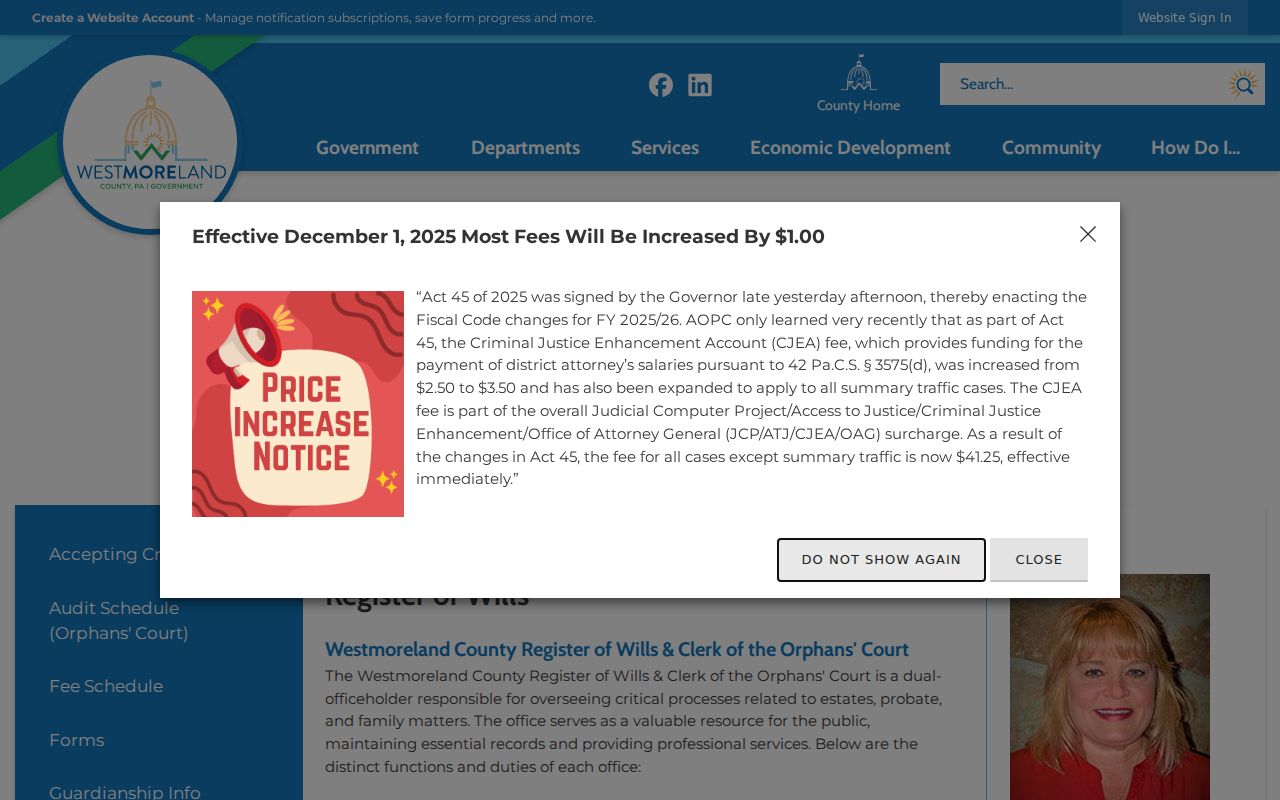
The Westmoreland Register of Wills holds historical estate records from 1773 and has an online estate-search era from 1986 forward. An estate can supply a death timeframe, personal representative, or relationship lead that helps explain a deed transfer. It is not a complete address directory, and the file must be matched to the property and date. Marriage licenses have a county range from 1885 forward, while the federal census provides a separate household source through the publicly released 1950 schedule.
The Register's office page is the official reference for its estate, marriage, historic-vital, and Orphans' Court roles.
An estate record closes a time span only when its subject, date, and property or family details align with the other sources. Newspaper microfilm and probate copies remain useful fallbacks when a web search stops.
North Huntingdon Township Previous Residents Permit Dates
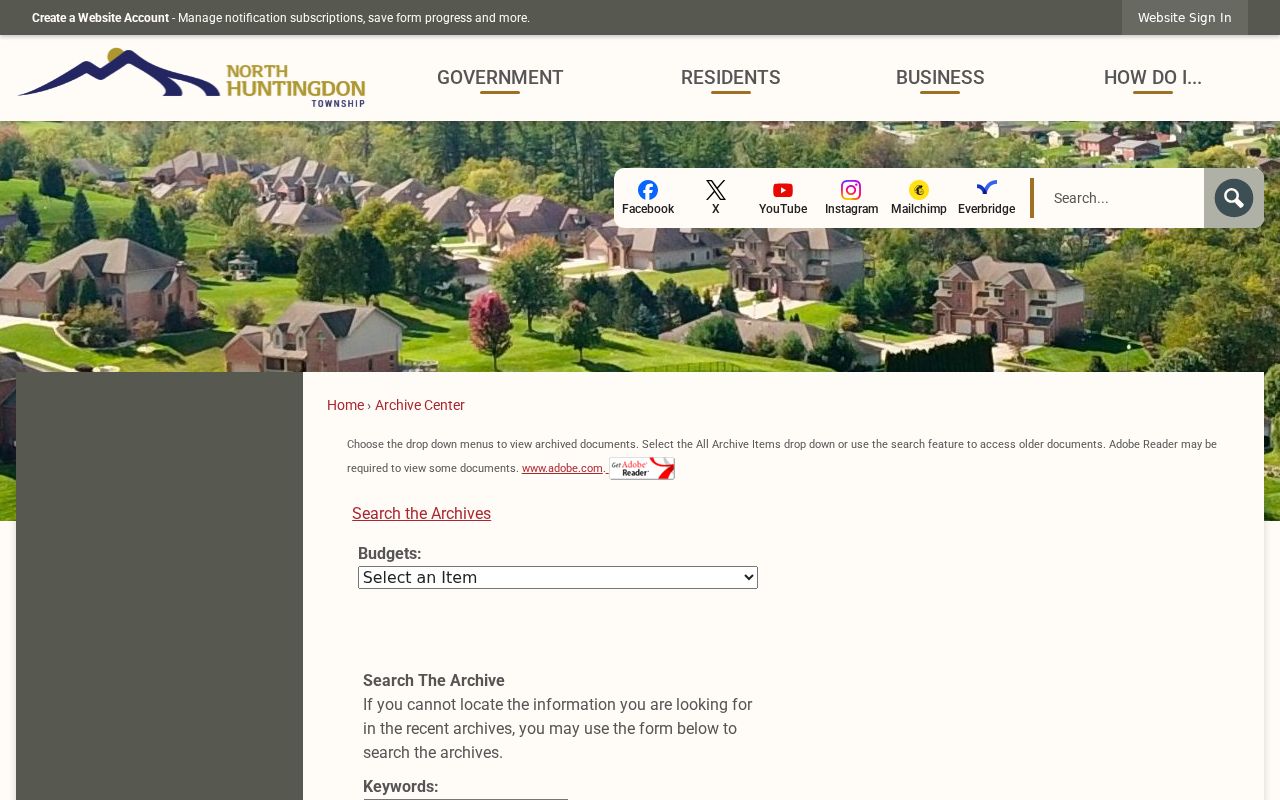
Township material can add a recent project date to an address timeline. The May 2026 Community Development report in a Board packet includes permit number, ward, type or category, contractor, applicant, property address, and estimated cost. It is a time-limited project record, not a resident database. The North Huntingdon Township Archive Center offers keyword, category, and date controls for older agendas, minutes, budgets, and archive folders. For a missing address or date window, the documented fallback is a specific request to the Township rather than a claim that a historic permit search is live.
The Township Archive Center is the recorded access route for municipal packets and archived material.
Put a permit report on the property timeline only as evidence of a project at a stated address. An applicant, contractor, company, trust, or owner field does not identify every person who lived there.
North Huntingdon Township Previous Residents Limits
House and family history works best when it stays record-based. Public property, deed, archive, newspaper, census, and probate sources have different coverage and privacy limits. Pennsylvania's Address Confidentiality Program can provide a substitute address for eligible participants, and protected addresses are not a gap to work around. Keep source dates and citations, do not treat an owner mailing address as occupancy proof, and avoid turning a historical trail into contact or surveillance of a living person.
When the chain is uncertain, preserve the uncertainty. A document at the Recorder, Register, library, archive, or State Archives can provide a better answer than a broader name search.